
For many expats, bringing a pet to the Dominican Republic is not a detail — it’s a necessity. Dogs and cats are part of the family, and the idea of starting a new life abroad without them often feels impossible.
Yet, beyond the emotional decision, pet ownership in a Caribbean country comes with very real logistical, financial, and practical considerations. Import regulations, veterinary care, climate adaptation, and housing rules all play a role in daily life with an animal.
This article offers a clear, factual overview of what pet ownership truly involves in the Dominican Republic, with a focus on expat-friendly areas such as Bayahibe & Dominicus, Punta Cana, Casa de Campo, and La Estancia Golf.
Bringing a pet into the Dominican Republic is regulated and relatively straightforward — provided the rules are respected.
Pets must travel with an official health certificate, issued by a licensed veterinarian shortly before departure. This document confirms that the animal is healthy and fit to travel, and includes identification details such as breed, age, and vaccination status (expat.com).
A valid rabies vaccination is mandatory. It must generally be administered at least 30 days before travel and remain within the accepted validity period at the time of entry (expat.com, Transcon Pet).
While microchipping is not legally mandatory, it is strongly recommended. Identification is essential in case of loss, especially in a new environment where pets may become disoriented (expat.com).
Upon arrival, documentation is checked by Sanidad Animal, the official animal health authority. A small administrative fee is usually charged to validate the paperwork and authorize entry (expat.com).
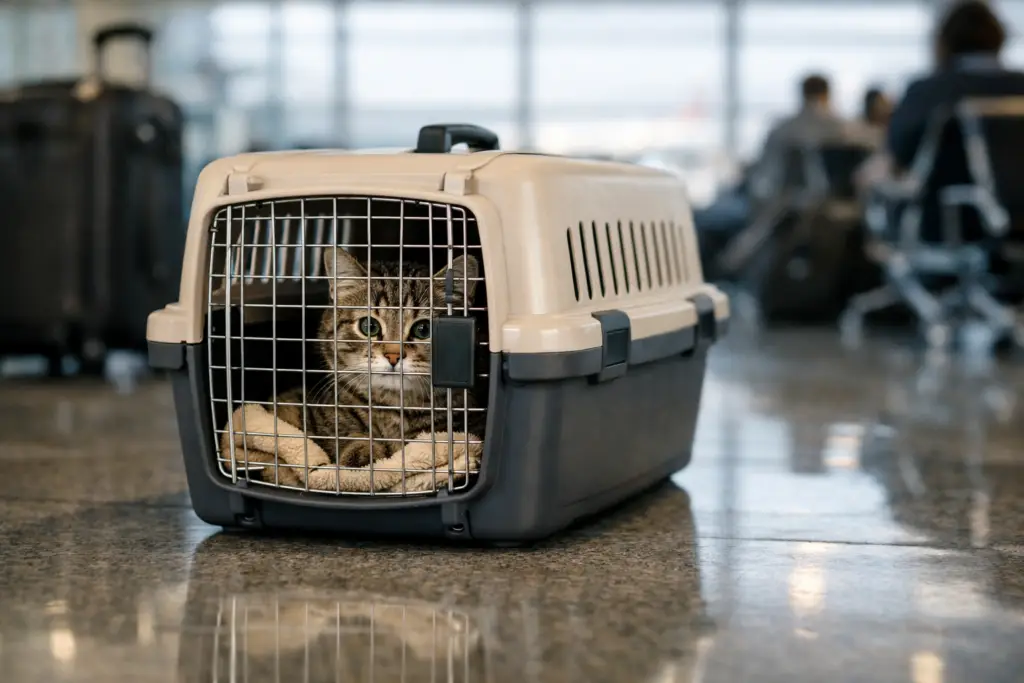
Airlines apply their own rules regarding pet transport. Size limits, seasonal heat restrictions, carrier specifications, and fees vary widely. Travel costs can range from a few hundred dollars to over a thousand, depending on the animal’s size and airline policy (FF Express Pets).
Bringing a pet into your relocation plans often raises practical questions — from housing rules and daily logistics to long-term costs and veterinary care.
If you’d like clearer answers based on real-life experience, Perez Real Estate can help you understand how pet ownership fits into your move to the Dominican Republic, and guide you toward reliable information adapted to your situation.
A short exchange is often enough to clarify key points and move forward with confidence.
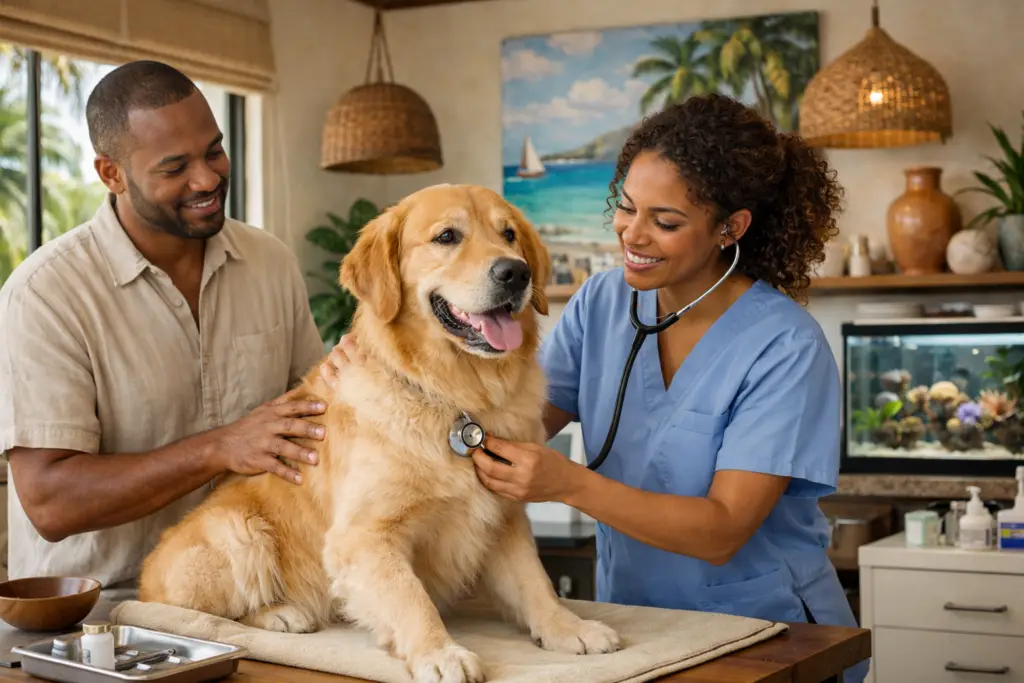
Veterinary care is available throughout the country, with more advanced and specialized clinics found in areas with strong expat populations such as Punta Cana and Casa de Campo.
Routine veterinary care includes annual check-ups, vaccinations, parasite prevention, and basic treatments. These services are generally accessible and affordable compared to many Western countries, but prices vary depending on clinic standards and services offered (local veterinary associations, expat community reports).
Typical expenses often include:
Emergency care, diagnostics, and surgeries naturally increase costs. While not excessive, these expenses can be significant if not anticipated.
The Dominican climate requires additional attention. Heat, humidity, and parasites mean preventive care is not optional. Flea, tick, and heartworm prevention are essential year-round, not seasonal (World Organisation for Animal Health).
Dental care and skin-related conditions are also more common in humid environments, making regular follow-ups advisable.
Not all properties automatically accept pets. In condominiums or gated communities, HOA rules may limit the number, size, or type of pets allowed. Even homeowners are subject to community regulations in shared developments (expat.com).
Before renting or purchasing, pet policies should always be confirmed in writing to avoid misunderstandings later.
The Dominican Republic offers abundant outdoor spaces, but pet owners must adapt.
Stray animals exist, particularly outside controlled residential communities. While rabies is rare, caution is advised when pets interact with unknown animals (World Health Organization, local public health authorities).
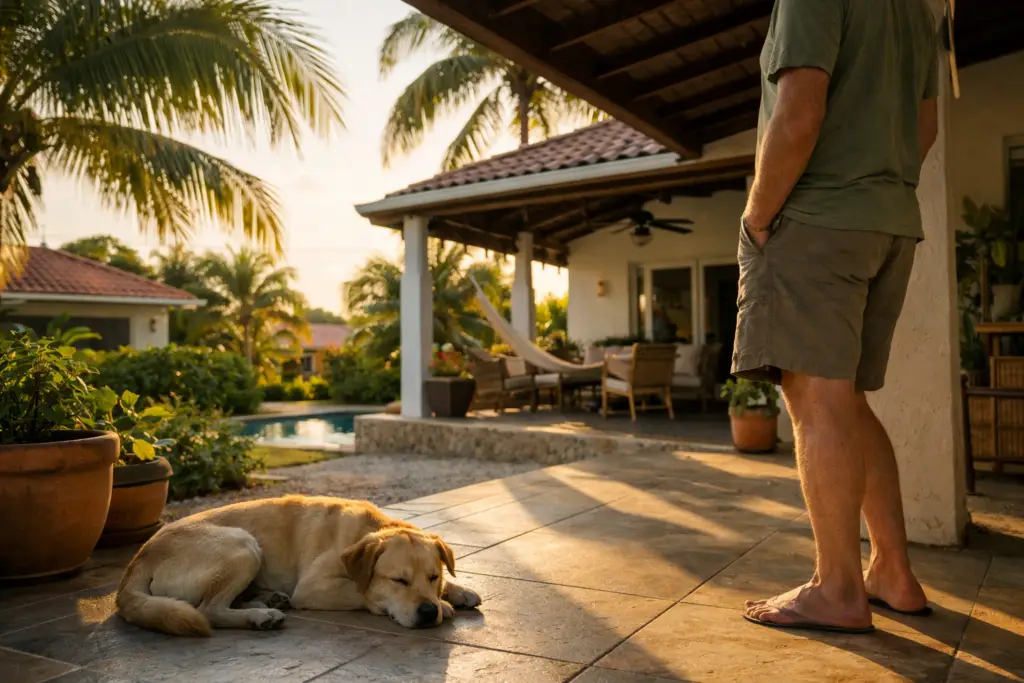
Heat and humidity also affect daily routines. Walks are best scheduled early in the morning or late in the evening, hydration must be constant, and shaded rest areas are essential.

Pet ownership costs are rarely excessive, but they are often underestimated.
Common expenses include:
Some expats choose to subscribe to pet insurance, either locally or through international providers. While not mandatory, insurance can help manage unexpected medical costs and bring peace of mind (international pet insurance providers).
Establishing a relationship with a trusted veterinarian early is highly recommended. Expat communities in Bayahibe & Dominicus and Punta Cana often share reliable recommendations through local networks.
Proper identification — microchip, collar, and tag — significantly increases the chance of recovering a lost pet.
Most importantly, pet ownership in the Dominican Republic requires adaptation rather than sacrifice. With realistic expectations and proper planning, pets adapt remarkably well to the Caribbean lifestyle.
Conclusion
Owning a pet in the Dominican Republic is entirely feasible and deeply rewarding, but it requires preparation, responsibility, and awareness of local realities.
From import procedures to veterinary care, from housing rules to climate adaptation, understanding the full picture allows expats to build a stable and comfortable life with their animal companions.
In well-structured residential areas such as Punta Cana, Bayahibe & Dominicus, Casa de Campo, and La Estancia Golf, pet ownership fits naturally into everyday life — provided it is approached with clarity and foresight.

| Category | Expense Type | Typical Cost Range (USD) | Frequency | Notes |
|---|---|---|---|---|
| Import & Arrival (One-time) | Health certificate (origin country) | 50 – 150 | One-time | Issued by licensed veterinarian |
| Rabies vaccination (if required) | 25 – 60 | One-time | Must be valid at entry | |
| Airline transport (cabin) | 150 – 300 | One-time | Small pets only | |
| Airline transport (cargo/hold) | 400 – 1,200+ | One-time | Depends on size & airline | |
| Sanidad Animal processing fee | 10 – 20 | One-time | Paid upon arrival | |
| Routine Veterinary Care | General consultation | 30 – 60 | Per visit | Standard check-ups |
| Core vaccinations | 25 – 50 | Annual | Per injection | |
| Deworming | 5 – 15 | Every 3–6 months | Climate-related necessity | |
| Flea & tick prevention | 10 – 30 | Monthly | Year-round in tropical areas | |
| Heartworm prevention (dogs) | 8 – 20 | Monthly | Strongly recommended | |
| Emergency & Advanced Care | Emergency consultation | 50 – 100 | Occasional | Outside routine care |
| Blood tests / imaging | 60 – 200 | As needed | X-rays, lab work | |
| Minor surgery | 150 – 400 | Rare | Non-invasive procedures | |
| Major surgery / hospitalization | 600 – 1,500+ | Rare | Depends on complexity | |
| Daily Life & Maintenance | Pet food (local brands) | 30 – 60 | Monthly | Widely available |
| Pet food (imported brands) | 70 – 120 | Monthly | Limited availability | |
| Grooming services | 20 – 50 | Per session | Often more frequent | |
| Accessories & replacements | 50 – 150 | Annual | Beds, leashes, toys | |
| Housing & Community | Pet deposit (rentals) | 200 – 500 | One-time | Depends on landlord |
| HOA restrictions | — | — | Rules may affect housing choice | |
| Optional Protection | Pet insurance | 20 – 50 | Monthly | Local or international plans |
Initial import & arrival:
USD 250 – 1,500+ (depending on size and airline)
Average yearly cost (excluding import):
USD 500 – 1,200 per year
All Rights Reserved 2025
Owning a home is a keystone of wealth… both financial affluence and emotional security.
Suze Orman